Jazzin in the Junction 2026

Jazzin in the Junction 2026

Jazzin in the Junction 2026

Spoken Word, Shared Roots and Live Jazz

Jazzin in theJunction – Fri., September 4

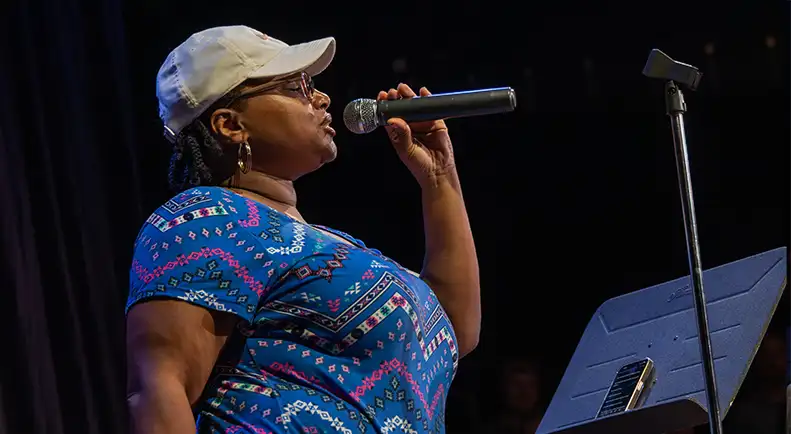
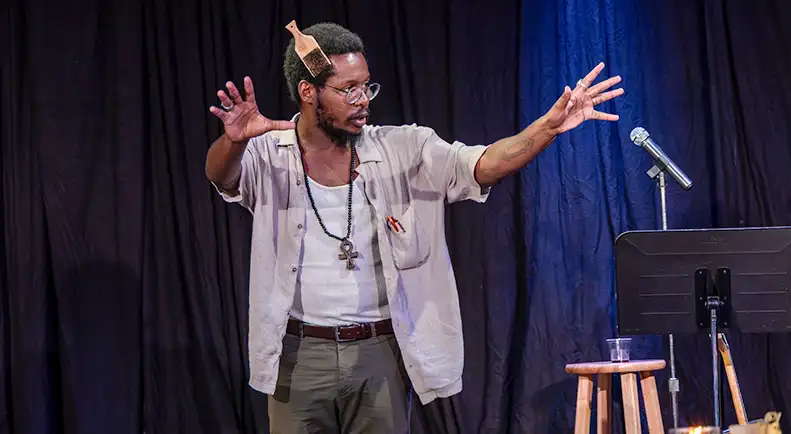
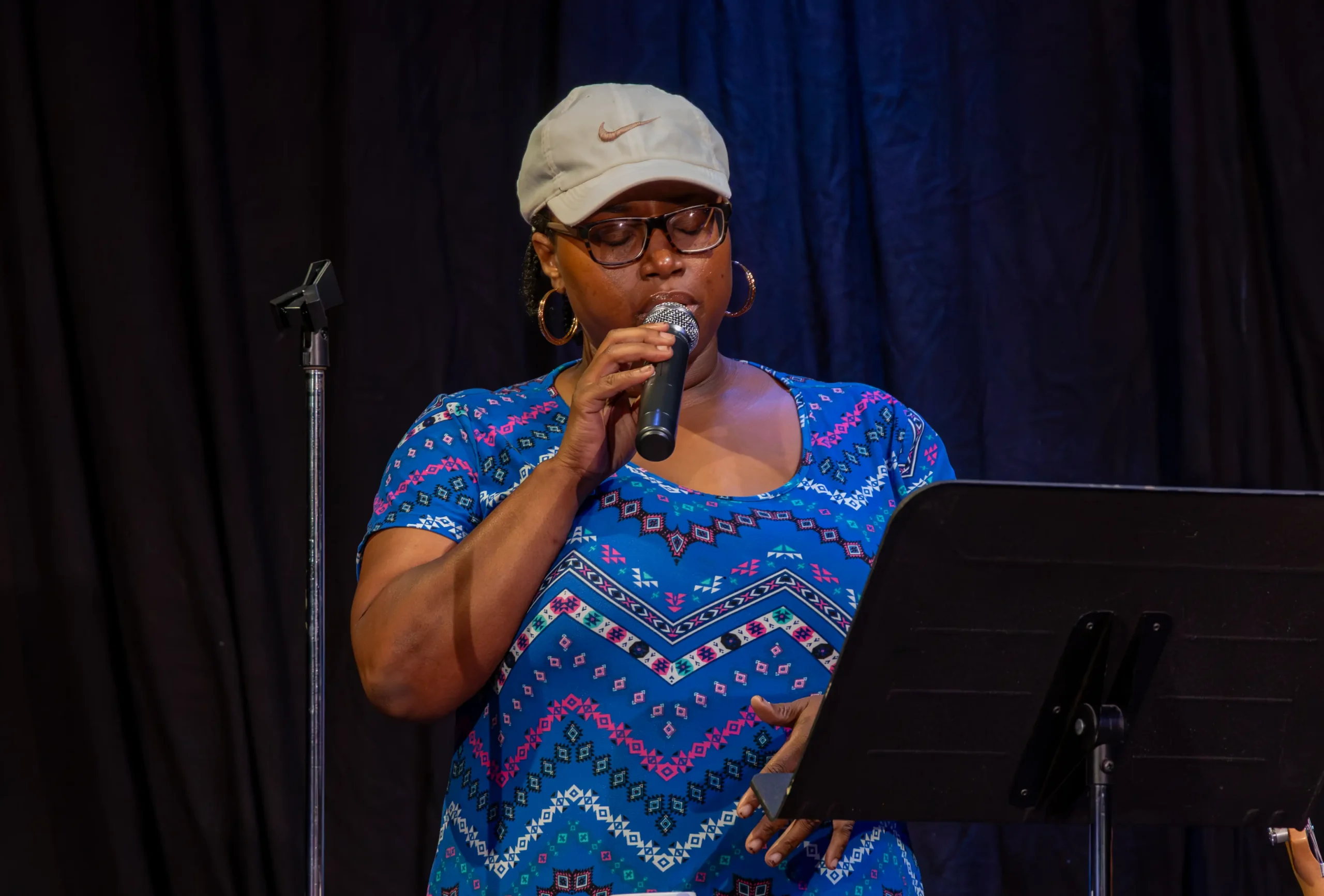
The Spoken Word has become a cherished tradition in our celebration and a powerful way to connect as a community. By definition, Spoken Word is an oral poetic performance art that blends the beauty of language with the presence and style of the performer. It carries an ancient oral tradition into the present day, bringing history, culture, and personal experiences to life. Come by for a casual night inspired by the voices of talented storytellers who will share their art.

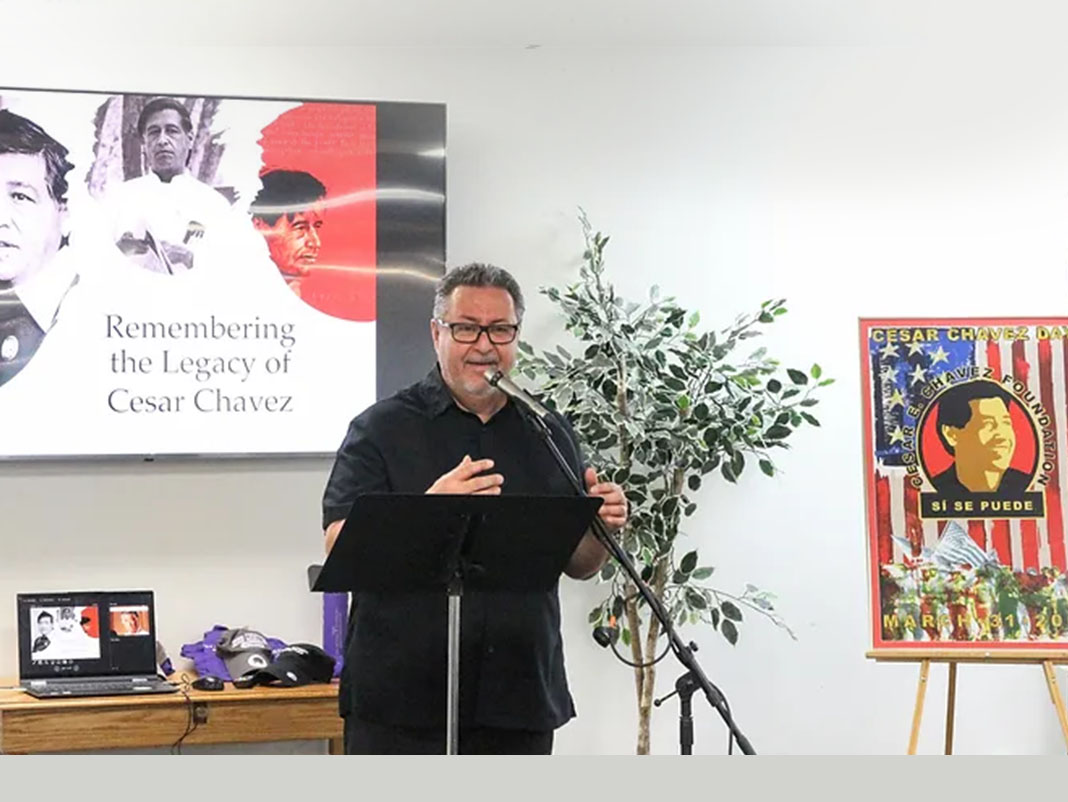
In past years, Jazzin in the Junction has featured powerful performances that bring Valley Junction’s voices to life through their emotional performances. Notable past participants include Dr. Eric Johnson, Alonda Long, and Cesar Chavez.

Jazzin in the Junction

Friday, September 4th

Starts at 6:00 pm

Raccoon River Park Nature Lodge

2500 Grand Avenue

West Des Moines, IA 50265

Events are FREE and

Open to the Public. All are welcome.

On Friday, September 4th, we celebrate the Spoken Word and Live Jazz. For those of you who have never experienced our Spoken Word event, prepare to be amazed. It’s a casual evening of local poets, music and songs. Those in attendance share stories of ancestors and special historical happenings in Valley Junction. Some are first-hand memories, while others are stories handed down for generations.

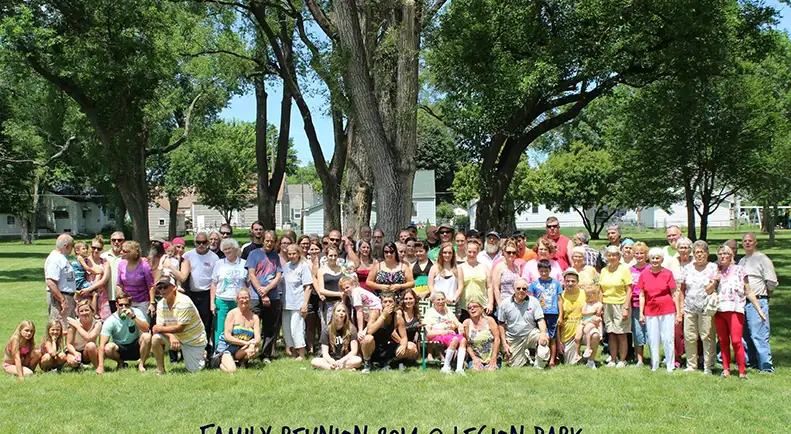
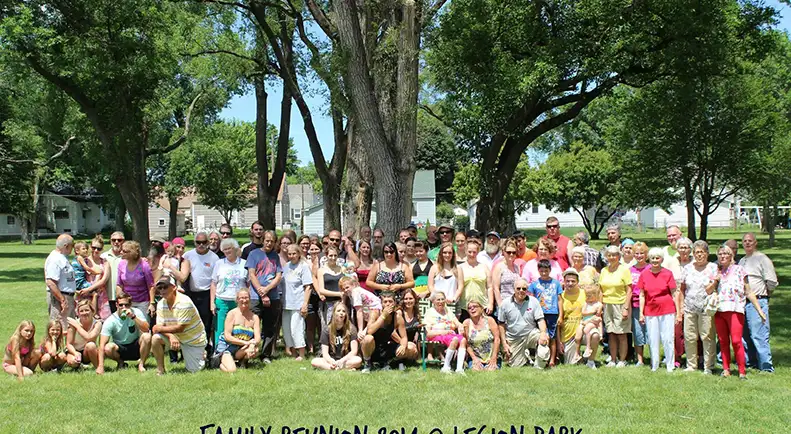
Tonelli Family

Tonelli Family

The Tonelli Family Story

On October 12, 1903, our Great-Grandfather, Emilio Tonelli, a farmer from Modena, Italy (northern Italy), arrived via  Ellis Island at 25 years old. He came to meet his brother Silvestro and go to work at the Cherry Coal Mine in Cherry, Illinois. Just a few miles north of LaSalle, Ill.

They lived in Ladd, Illinois, about 3 miles away from the mine. The workers were able to obtain housing, consisting of small row houses owned by the St. Paul mine company.   After the Cherry Mine disaster, is when they moved to Des Moines, IA. and went to work at the cement plant. just off of Park Avenue.  They lived in the plant’s housing. Then they bought the house on Winona Avenue, where they were still when I was a kid.  Until the 1993 flood pretty much took that house out.

Cherry Coal Mine

Went to work at the Cherry Coal Mine. Unfortunately, he was sent to the bottom of the mine due to the stature of Italians, being shorter and smaller than the Americans and others.  I guess it was easier for them to fit in the bottom of the mine. It was very dirty work in the mine, and most people from the States didn’t care much for them being Italian, nor did they care much for anyone not speaking English.  So I don’t think their lifestyle wasn’t really good.  

Theresa, Lena, Mary and Joe

Children? Yes, one, Stella at 4 months old when she came with her Mother Giovanna (Guidotti) Tonelli, on September 17th, 1904. at the age of 27.  Then came more children, Jennie, my Grandfather Charlie, and Amelia.

On November 13, 1909, at the age of 30, Emilio was killed in the Cherry Mine Disaster.  Now that was really bad. If you have never heard about it I could talk for a long time about it.  Or there are a few books about it.  1).”Cherry Hills Mining Disaster” of 1909.” It is told by a survivor.  2) “Trapped”, and another I forgot the name.  Very interesting.  This disaster is what started Workers’ Compensation Law.

Once Giovanni met Pietro Lancelotti, they married and came to the States, they had 4 children. Theresa, Lena, Mary and Joe Lancelotti.

Fond Memories

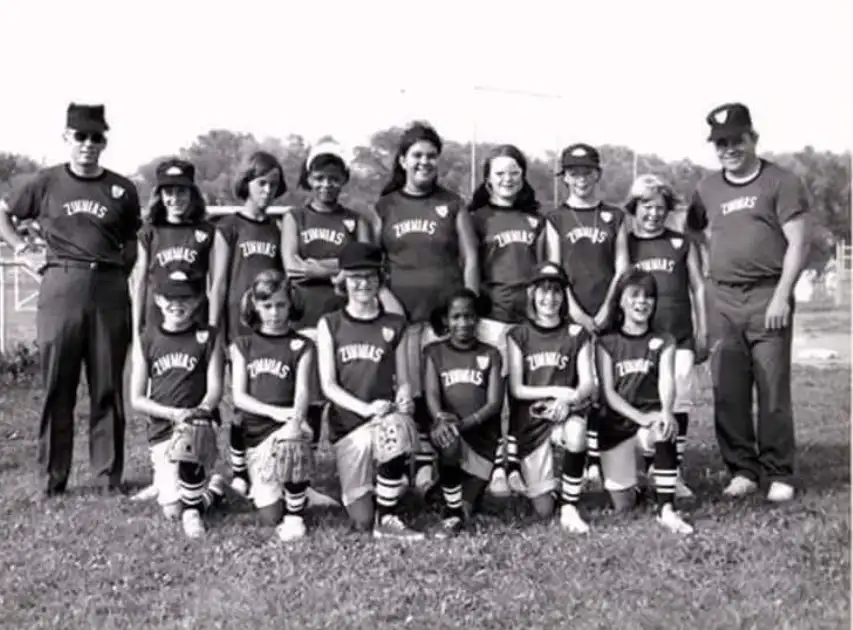
My Dad, George (Maney) had a great reputation his entire life.  He was a fair man to do business with.  He learned autobody repair through Grandpa Charlie and had his own shop.  He was very active in WDM Little Girls Softball in Holiday Park.  He coached me and my 2 older sisters for as long as the league’s age limit (high school).  He umpired endless hours and also maintained the fields, and my Mom ran the concession stand for a few years and kept score at our games.  He went to work for the WDM Parks and Recreation Dept, after closing up his body shop until he and my Mom retired.

Dad knew everybody in Valley Junction, and we couldn’t go anywhere and be back on time cause he got stopped by folks just to talk for a few minutes. He was friends with all.

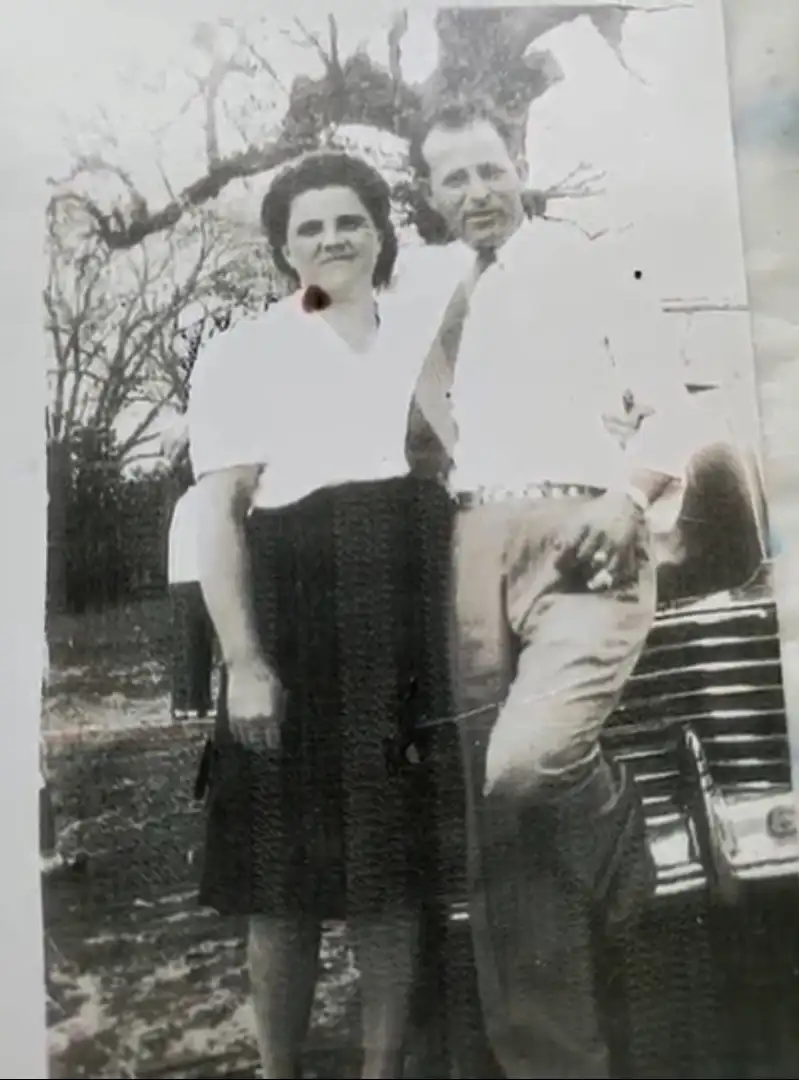
Grandma (Gladys) Tonelli had it the hardest, I’ll bet. She worked multiple jobs to support her 10 children. Colleen, my Dad George (Maney), Donald (T), Eldee (Tuner), Angelo, Claudette, Jenny (Sena), Annie, Suzie, and Carmela.  Since her husband, my Grandpa Charlie, left and went into the service for WWII, they later divorced.   So he wasn’t around.

I didn’t realize that my folks had struggles as I was growing up.  We always had what we needed.  My Mom was a fantastic seamstress and made a lot of our clothes.  And with our large family we had, there was always something to do with the cousins.

We bonded with everybody, literally everyone.   Grandma’s house was always open to those in need of a meal, a place to stay, and friends, of course.

Our family values were Family first, love and take care of each other, and be good to all especially our elders.

All the interesting stories of their childhood and adolescence. Sometimes they pop up out of nowhere.  Dad would tell stories of all the uncles, Donald (T),  Eldee (Tuner),  rolling cars with no motor down Hanawalt Hill to see how far they could get around the curve.  Throwing an old wallet tied to a fishing line out in the street and waiting till someone would try and pick it up, then reeling the line in fast.

Kicking the can, sledding at Waveland Golf Course.  My Aunts Annie, Suzie, Coleen, and Jenny (Sena) are going to see a show at the Lyric theater, then hiding out till the next show starts.  They  tried to sneak out the side door, only to be caught by one of my Dads friends.  and the Melody record shop, and beer joints up town.    

The stories never stopped.

Submitted by Vaniese(Tonelli) Wherter 

George (Maney) Daughter

August 2026

Rodriguez Family

Rodriguez Family

The Rodriguez Family

Adrian Jose Rodriguez, came to the United States from Guanajuato, Mexico, in 1909, when he was just 14 years old. Like many others, he followed the harvest, picking fruits and vegetables as he worked his way north. He was working in Missouri when he heard that Rock Island was hiring in Iowa. He was just 15 then, so they hired him at first to deliver water to the other workers. But we were the first family from Mexico to settle in Valley Junction. Others came and went, but my Dad, who went by Joe, stayed.

Like most of the railroad workers, Joe lived for a while in a boxcar and eventually moved to a boarding house (the Green House) run by Dona Ciana Munoz Hernandez, who had come to Valley Junction from El Paso. She sent all her children to school there, where they became fluent in English as well as Spanish. Her daughters Lillian and Martha attended school, too, which was unusual at the time.

Lillian got married and moved to St. Louis, but when her husband died, she moved back to Valley Junction with her three children, Frank, Josephine and Jeannette Montalvo, and worked for a time at the Rock Island Railroad.

Joe and Lillian met at the boarding house and fell in love. He was quite a catch even though he never went to school. He was a hard worker and always paid his bills promptly. They married and had seven more children: Jesse, Raymond, Dolores, Robert, Velma, Henry and Mary Ellen.

Raymond “Ray” Rodriguez was born to Joseph and Lilian Rodriguez on September 2, 1922 in Valley Junction, Iowa. Ray had four brothers and five sisters, and all of his brothers served in the military.

In 1940, Ray was a student at Valley High School when he made the decision to leave school and join the Iowa National Guard. On February 10, 1941, the Guard was activated into the Army. Ray completed his basic training at Camp Claiborne in Louisiana. He was part of Company K, 133rd Infantry, 34th Division.

He later volunteered for the 1st Infantry Division, where the Darby Rangers were first formed before expanding into six battalions. Ray served in the 4th Battalion, contributing to the Rangers’ legendary status as an elite unit of highly skilled light fighters.


Ray participated in the invasion of North Africa and continued on to the invasion of Sicily, where he was wounded. Due to his injuries, he received the Purple Heart. Sergeant Ray Rodriguez was honorably discharged on June 1, 1944.

After returning to Valley Junction, he married Margaret Bejerano in 1948. Together, they had six boys: Michael, Bobby, Raymond, Rahelio, William, and Gary. One of his sons had the honor of being named after Brigadier General William Darby. Two of Ray’s sons, Bobby and Michael, also served in the military.

A dedicated Husband and Father, Ray worked for Solar Aircraft until it closed, then moved on to work for Des Moines Concrete. After several years of service, he retired from Eagle Iron Works.

He was a proud Veteran in the Valley Junction community and a member of VFW Post 8879 Emerick Williams Post.

Ray and Margaret are blessed with eight grandchildren and six great-grandchildren

Ray passed away on January 17, 2001 and his beautiful wife Margaret passed away on June 12, 2022


Submitted by 

William Rodriquez

Date May 14, 2026


McNerney Family Story

McNerney Family Story

The McNerney Family

My father, Dr. Joseph Richard McNerney, was born and raised in Des Moines, Iowa. He moved to West Des Moines in May 1941, taking up residence at 312 4th Street. He opened his medical practice at 324 5th Street before relocating it to 225 5th Street. He was married to Mary Ellen, who passed away in December 1948, leaving him with two young children, Richard and Mary.

My mother, Ruth Malinda Atwell, moved to Des Moines in 1948 to work as a nurse at Still College Hospital. She met Dr. McNerney, and they married in August 1949, moving into a newly constructed home at 521 16th Street in West Des Moines. Together, they had nine more children: Joseph, David, Robert, Elizabeth, Daniel, Sarah, Bridget, Edwin, and Angela. Despite their demanding schedules, my parents always prioritized family, holding daily family dinners, grand holiday celebrations, and annual summer road trip adventures filled with lively traditions.

Deeply devoted to public service, my parents were active members of Sacred Heart Catholic Church. My father was involved in the Lions Club, Knights of Columbus, and served as President of the West Des Moines Chamber of Commerce. Professionally, he was Chief of Medicine at Des Moines General Hospital, brought nuclear medicine to Iowa, and facilitated the city’s first ICU. He served as Chairman of the Board at what is now Des Moines University for nearly 20 years, teaching as a beloved professor and lecturing globally in places like the USSR, China, India, and Israel.

My mother was equally impactful in community leadership. While raising 11 children, she served as President of the West Des Moines Women’s Club, United Way of Des Moines, and the West Des Moines Opportunity Committee (which evolved into the West Des Moines Opportunity Center). She was also active in the League of Women Voters and mentored medical student spouses. Later, she managed my father’s medical practice, operated an antique shop on 5th Street, and joined the Valley Junction Residential Association. In recognition of her dedicated support, the Eddie Davis Community Center honored her by naming the Ruth McNerney Conference Room in her dedication. 

Quiet acts of generosity defined their lives. When I was young, people down on their luck would quietly show up to do yard or home maintenance, share lunch with our family, and receive a day or two of paid work. My father also hosted Iowa Governor Herschel Loveless for dinner, exciting us kids with the state trooper car parked in our driveway.

My dad bought two houses on Maple St. he said the abstract said that the houses couldn’t be rented or sold to blacks (actually a common racial slur in those days) or shanty Irish. My dad got a big kick out of saying “Yeah I rent it to a black guy and I’m Irish and I own it!”

Dr. J.R. McNerney (1911–1998) and Ruth McNerney (1924–2025) built a vibrant family and community legacy. Nine siblings are alive today, with two residing in West Des Moines, one in Windsor Heights, and others spread across the globe. Preserving our heritage through shared family memories and local archives from the West Des Moines Express remains a true joy.

Garrett Family

Garrett Family

The Garrett Family Story

It began with Harold Trumbo and Hertense Trumbo Peterson, our grandfather and grandmother who had four boys George, Dean, Bobby, Ralph, stepbrother Howard Trumbo and one daughter, Dorothy.

When Dorothy first moved to West Des Moines it was the year of 1936. She lived in the house with Grandma Daisy Garrett, which was on 927 Maple St and then she moved with Grandma Hannah Anderson, and husband Joseph Anderson.  Hannah Anderson and Joseph lived at 200 8th St. Grandma Daisy Garrett also lived at that address but the home was owned by Grandma Hannah.

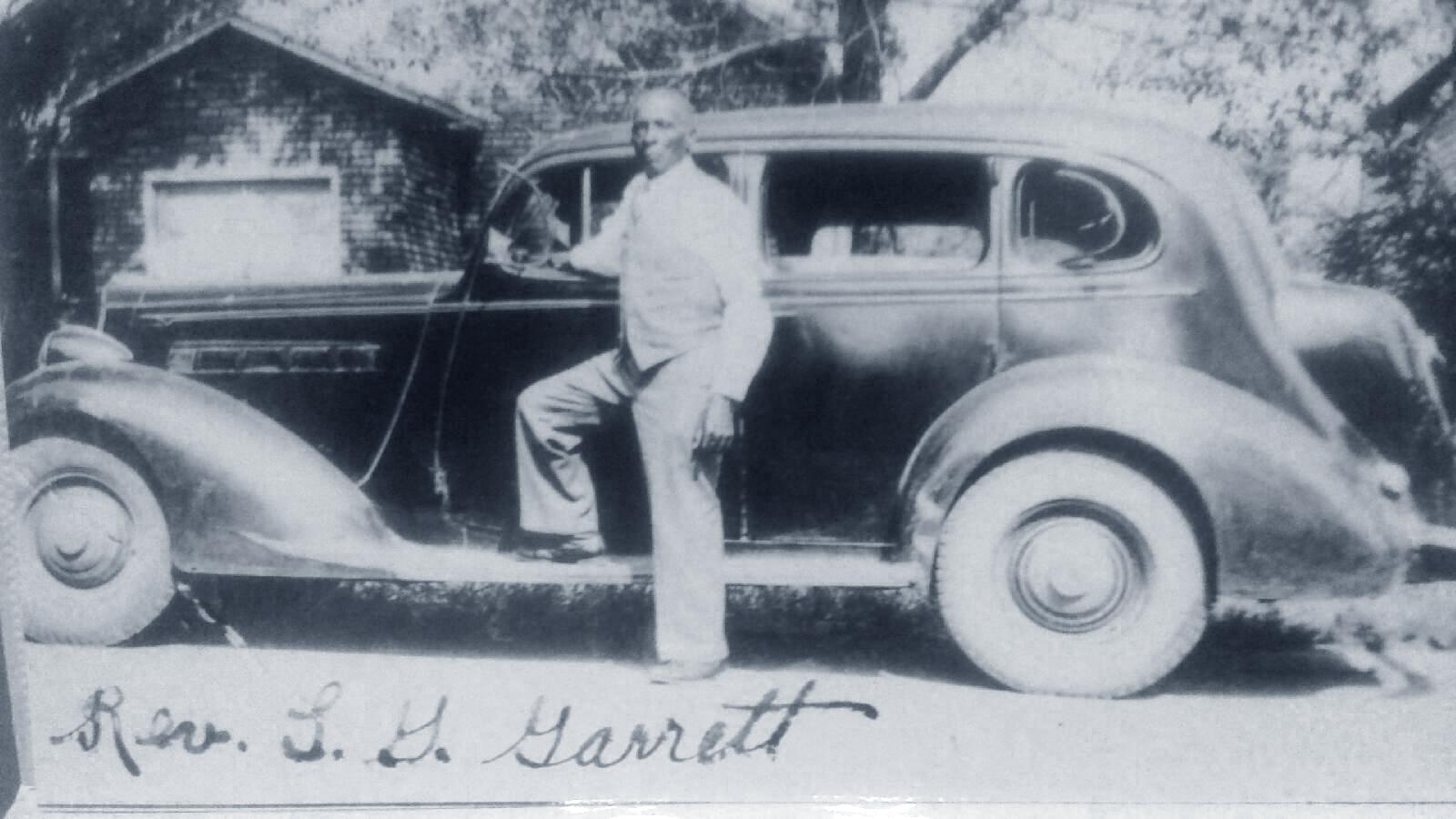
Our dad, Lee Garrett and his brothers, Albert, Joseph and Eddie came from Buxton Iowa.  Mr. Johnson had the first and only black barbershop. Mr. Johnson was getting ready to retire when our dad was in the process of buying the shop.

A Strong Family Foundation

Our dad, Lee Garrett and his brothers, Albert, Joseph and Eddie came from Buxton Iowa.  Mr. Johnson had the first and only black barbershop. Mr. Johnson was getting ready to retire when our dad was in the process of buying the shop.

As an adult, Dorothy was involved in the West Des Moines Human Services, serving as chairman and board member. She worked and volunteered in the Phenix Headstart program for 26 years. Dorothy also started the West Des Moines community education program and successfully worked at raising literacy in the community.

Dorothy and Lee Garrett had six children, Barbara, Bernice, Robert, Gilda, Dennis and Denise. 

After Lee Garrett passed away, Dorothy married Jim Pryor, and had two children, Marsha and James.

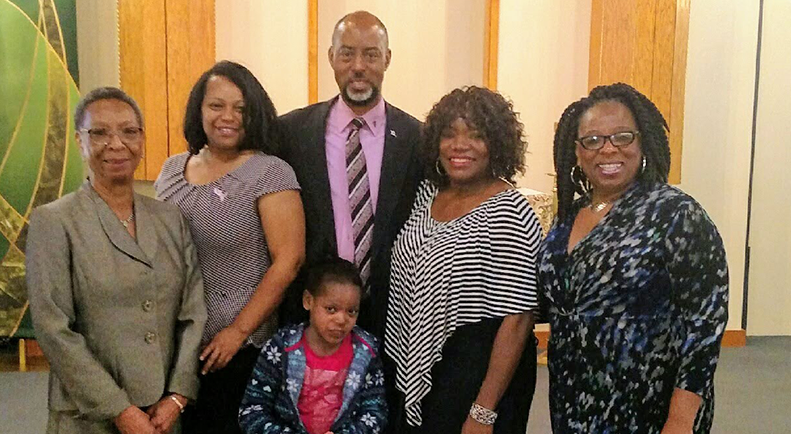
Our family took pride in building a strong family foundation. Each person in our family has in some way contributed to our story. Knowing our family history gives us a deeper appreciation of our family values and where we come from.

Story submitted by Gilda Garrett

The Frith Family

The Frith Family

The Frith Family Story

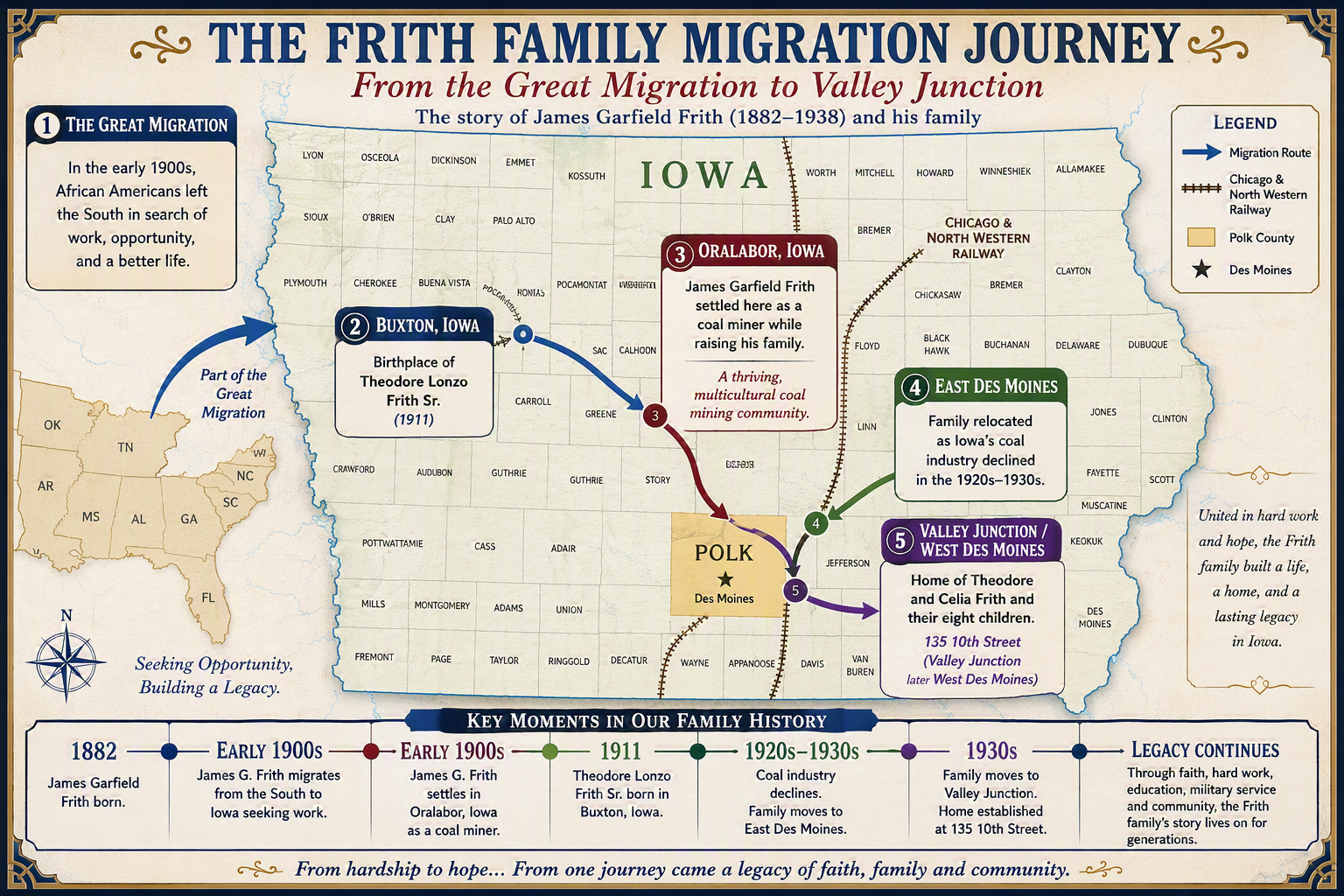
The Frith family’s story is woven into one of America’s greatest journeys—the Great Migration. Like thousands of African American families who looked north for opportunity and hope, the Friths traveled not only in search of work, but in pursuit of a future where their children could thrive. That journey eventually led them to Valley Junction, where their family’s legacy would span generations.

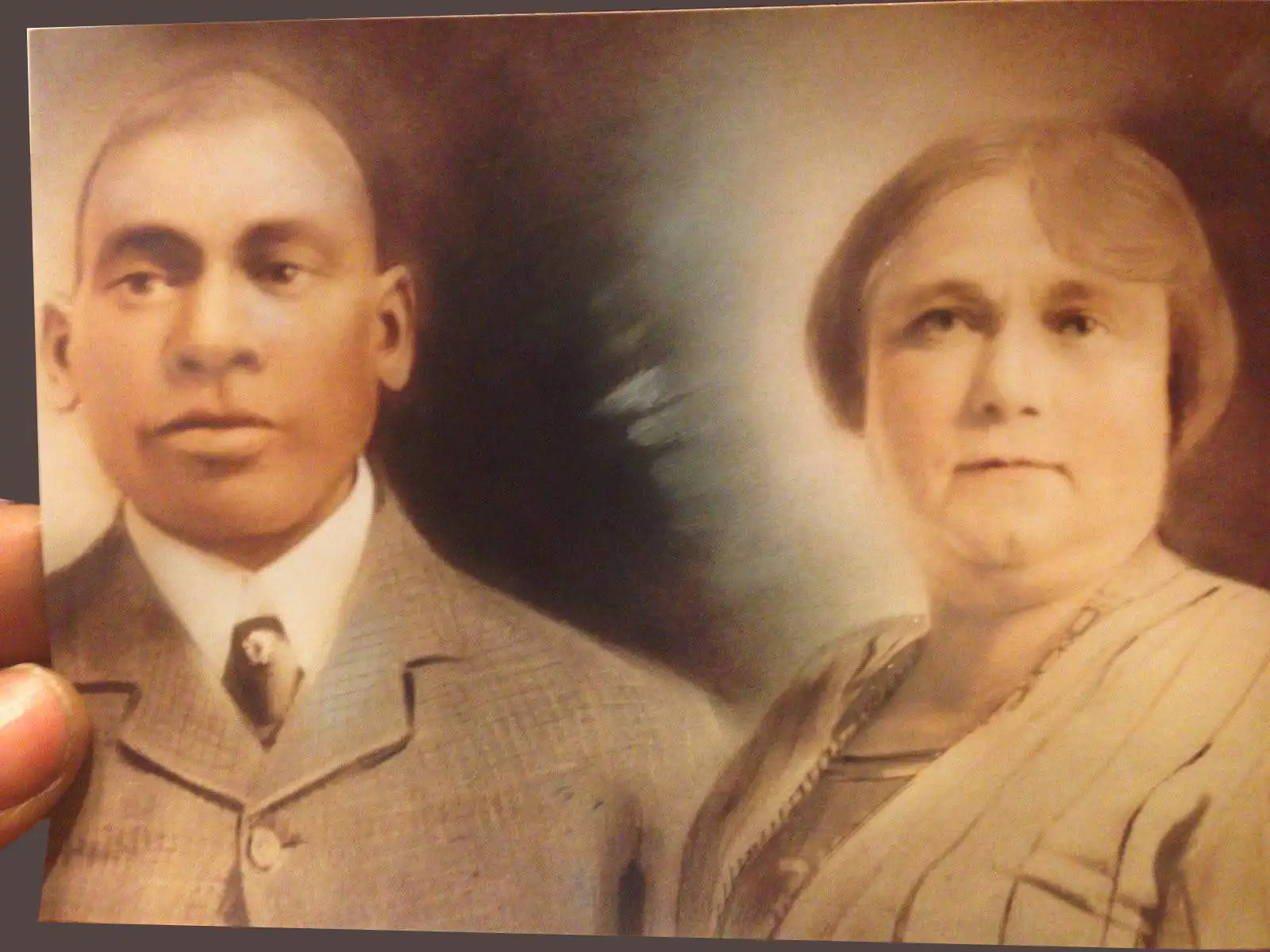
Like millions of African Americans seeking freedom, dignity, and opportunity, James Garfield Frith, known as James G.,  left the South in the early twentieth century in search of a better life for his growing family. Born in 1882, James understood that opportunity would not come without sacrifice. Determined to provide more for his wife, Mamie E. (Bolden) Frith, and their children, followed the promise of work northward until his journey brought him to the bustling coal-mining community of Oralabor, Iowa.

A Journey of Hope, Hard Work, and Home

At the turn of the century, Oralabor was alive with activity. Located just south of present-day Ankeny, it was one of Iowa’s thriving mining towns and an important stop along the Chicago & North Western Railway. Coal mining had become Iowa’s second-largest industry, drawing workers from every corner of the world. European immigrants worked alongside African Americans who had traveled north from the South, united by a common purpose to earn an honest living and create better futures for their families. James became one of those miners.

From Coal Mining to Legacy

Coal mining demanded strength, endurance, and courage. The work was dirty, dangerous, and physically exhausting, but it offered something priceless: stability. Small miner houses lined the settlement, and despite the hardships underground, families built close-knit neighborhoods above ground where children played together and neighbors looked after one another. It was there that James and Mamie raised their six children: Theodore Lonzo Frith Sr., Beatrice L. (Frith)  Walker, Bertha (Frith) Clark, Hazel (Frith) Cunningham, Ora (Frith) Gasca, and Annie (Frith) Robinson.

As Iowa’s coal industry declined during the 1920s and 1930s, James G., recognizing that the mines could no longer support his family, moved them to the east side of Des Moines, seeking new opportunities and another fresh beginning.  Although James Garfield Frith passed away in 1938, the foundation he laid would carry the family into a new chapter that would become forever intertwined with the story of Valley Junction.

The Firth Family Grows

James G. and Mamie’s eldest son, Theodore Lonzo Frith Sr., was born on June 4, 1911, in Buxton, Iowa, another historic coal-mining community known for its racial diversity and opportunity. Like his father before him, Theodore understood the value of hard work.  At just twenty years old, he married Celia Bell O’Bannon, who had been born on June 9, 1917, in Des Moines to William Thomas O’Bannon and Dorothy Beatrice Miller.  Together, Theodore and Celia built something far greater than a home—they built a family whose love would span generations.

Their first home stood on Des Moines’ east side, where the East High School stadium now sits. Sometime during the 1930s, they relocated to 135 10th Street in Valley Junction, just before the town officially became part of the City of West Des Moines in December 1937.  Theodore found steady employment as a crusher attendant at Marquette Cement Manufacturing Company, located at 275 South 11th Street, and proudly belonged to the United Mine and Gypsum Workers Union Local.

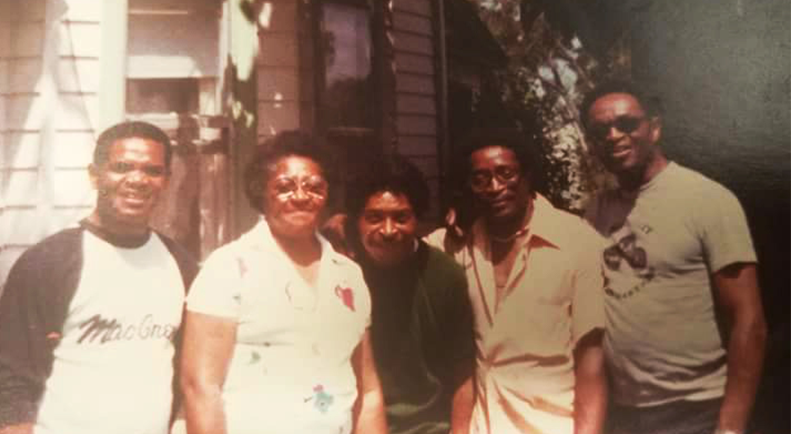
Celia devoted herself to creating a home that welcomed everyone. Her immaculate house became the gathering place for birthdays, holidays, Sunday dinners, and family celebrations. Her kitchen was the heart of the family. No one ever left hungry, and every meal carried the unmistakable ingredients of love, generosity, and hospitality. But it wasn’t only her cooking that people remembered. Family members still recall her comforting hugs, wise advice, patient listening, and the quiet reassurance that everything would somehow work out. She possessed the rare gift of making everyone feel at home.  Together Theodore and Celia raised eight children, Gloria Mae Frith Elliott, Nathalene Frith Guinn, Marzella Ann Frith, Bernetta Dean Frith, Theodore “Ted” Frith Jr., James Franklin Frith, Harry Clifford Frith, and Reginald “Reggie” Frith filling their Valley Junction home with laughter, faith, discipline, and unconditional love. In Valley Junction, West DesMoines they built an enduring legacy of community and togetherness.

As the oldest child born June 1933 (2013), Gloria Mae  set the example for her younger siblings. A graduate of Valley High School, she married Joseph Henry Elliott in 1953 before moving to Milwaukee, Wisconsin. There she devoted her career to healthcare as a respected medical technician.

Nathalene and Marzella

Nathalene, born March 1935 (1988), also graduated from Valley High School. As a child she contracted scarlet fever, also known as scarlatina. Due to the racial inequalities of the era, she did not receive adequate medical treatment. The illness affected her health throughout her life.

Born in Buxton, Iowa in January 1937 (2001), Marzella Ann Frith, Valley High alum, Once married, Marzella became the consummate caretaker and military wife. As a quintessential military spouse, she was the steadfast anchor of her household, seamlessly managing homes, raising children, and providing a sanctuary of warmth during numerous relocations and her husband’s deployments. She adapted to the unique challenges of military life with quiet strength, resilience, and a generous spirit that touched the lives of countless other military families.

Proud Military Family

Christmas Day in 1939 (2019) the Friths received a precious gift, the birth of Bernetta Dean Frith in Des Moines, Iowa. Bernetta’s love of learning continued beyond Valley High School to Des Moines Area Community College. She built a successful career with Bankers Trust and later made her home in Moline, Illinois, where her faith blossomed through active service at Tabernacle Baptist Church. She received the Lifetime Achievement Award from the Tabernacle Mission Ministry. Whether traveling across Europe, enjoying a cruise, tending her yard, or studying scripture, Bernetta embraced life with gratitude.

The family’s first son, Theodore “Ted” Frith Jr., was born in Des Moines in October 1941(2007), inherited both creativity and courage. A talented artist who studied through correspondence courses after graduating from Valley High School. Ted proudly served in the United States Air Force from 1959 to 1975, including service during the Vietnam War. Ted is known for sketching, fishing, or cheering on his favorite sports teams and serving the Lord at Mt. Hebron Baptist Church.

Woven in the Heart of the Community

James Franklin Frith, born August 1945 (1987) in West DesMoines, possessed an extraordinary curiosity. Long before YouTube tutorials and online manuals, he taught himself electronics simply because he wanted to understand how things worked. Friends and neighbors marveled as broken televisions, radios, and appliances came back to life beneath his careful hands. Although sickle cell disease caused him tremendous pain throughout his life, James refused to let illness define him. His smile remained constant, and his joyful spirit touched everyone fortunate enough to know him.

Born in September 1947 (2015) in West Des Moines, Harry Clifford Frith was known for his impeccable style, infectious laugh, and gift for making everyone feel welcome. After graduating from Valley High School, he attended college in Milwaukee, WI. Harry loved to travel and eventually settled in Houston, Texas, where he retired from Continental Airlines in 2011. Harry loved sports, music, travel, and especially family gatherings.

In August of 1955 (2025) the youngest of the family, Reginald “Reggie” Frith, was born. Reggie remained a lifelong Valley Junction resident. After graduating from Valley High School, he served in the United States Army during the Vietnam era before building a career as an information technology specialist with Sparrow Technology. Whether cheering for the Chicago Cubs or enjoying family cookouts, Reggie treasured time spent with those he loved.

The Frith home on 10th Street was never simply an address. It was where cousins became lifelong friends. Where birthdays stretched late into the evening. Where holidays filled every room with laughter. Where neighbors always knew they were welcome. Backyard cookouts became family reunions. Stories were shared across generations. Children learned respect, hard work, and the importance of caring for one another simply by watching the adults around them. Faith also anchored the family. For decades, the Friths worshipped together at Mt. Hebron Missionary Baptist Church on 9th Street, remaining faithful members even after the congregation relocated to Des Moines. Church was more than Sunday worship—it was family, fellowship, and community.

The Frith family’s story mirrors the story of Valley Junction itself. During the 1930s and beyond, the neighborhood became home to African American, Mexican American, Italian, Serbian, Polish, and many other immigrant families who worked together in the railroads, cement plants, mines, and local businesses. Though each family arrived with different traditions and histories, they shared common dreams of providing better lives for their children. The Frith family became an important thread in that multicultural tapestry.

Generation after generation attended Valley schools, worked in local industries, served their country, strengthened churches, raised families, and invested in their community. Their lives reflected the values their grandparents carried north during the Great Migration of faith, perseverance, education, service, and above all, family.

More than a century after James Garfield Frith first journeyed north searching for opportunity, his legacy lives on—not simply in family records or photographs, but in every life his descendants have touched. The Frith family’s story reminds us that the Great Migration was never only about moving from one place to another. It was about black families building safe homes, strengthening communities, and creating a future where children and grandchildren could dream even bigger than the generations before them. And in Valley Junction, the Frith family did exactly that. Their story remains woven into the heart of the community—a legacy of resilience, hospitality, faith, and love that continues to inspire new generations to call this place home. Today, those stories continue to be honored through the Taste of the Junction, the Eddie Davis Community Center, and the descendants who proudly carry the Frith name.