
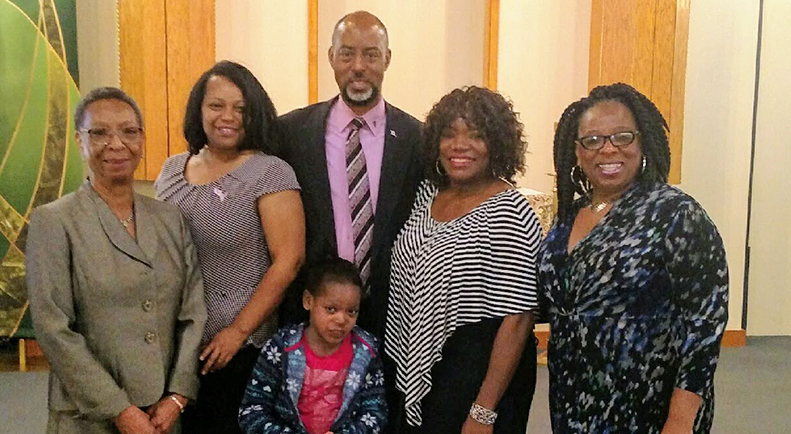
The Frith Family Story
The Frith family’s story is woven into one of America’s greatest journeys—the Great Migration. Like thousands of African American families who looked north for opportunity and hope, the Friths traveled not only in search of work, but in pursuit of a future where their children could thrive. That journey eventually led them to Valley Junction, where their family’s legacy would span generations.
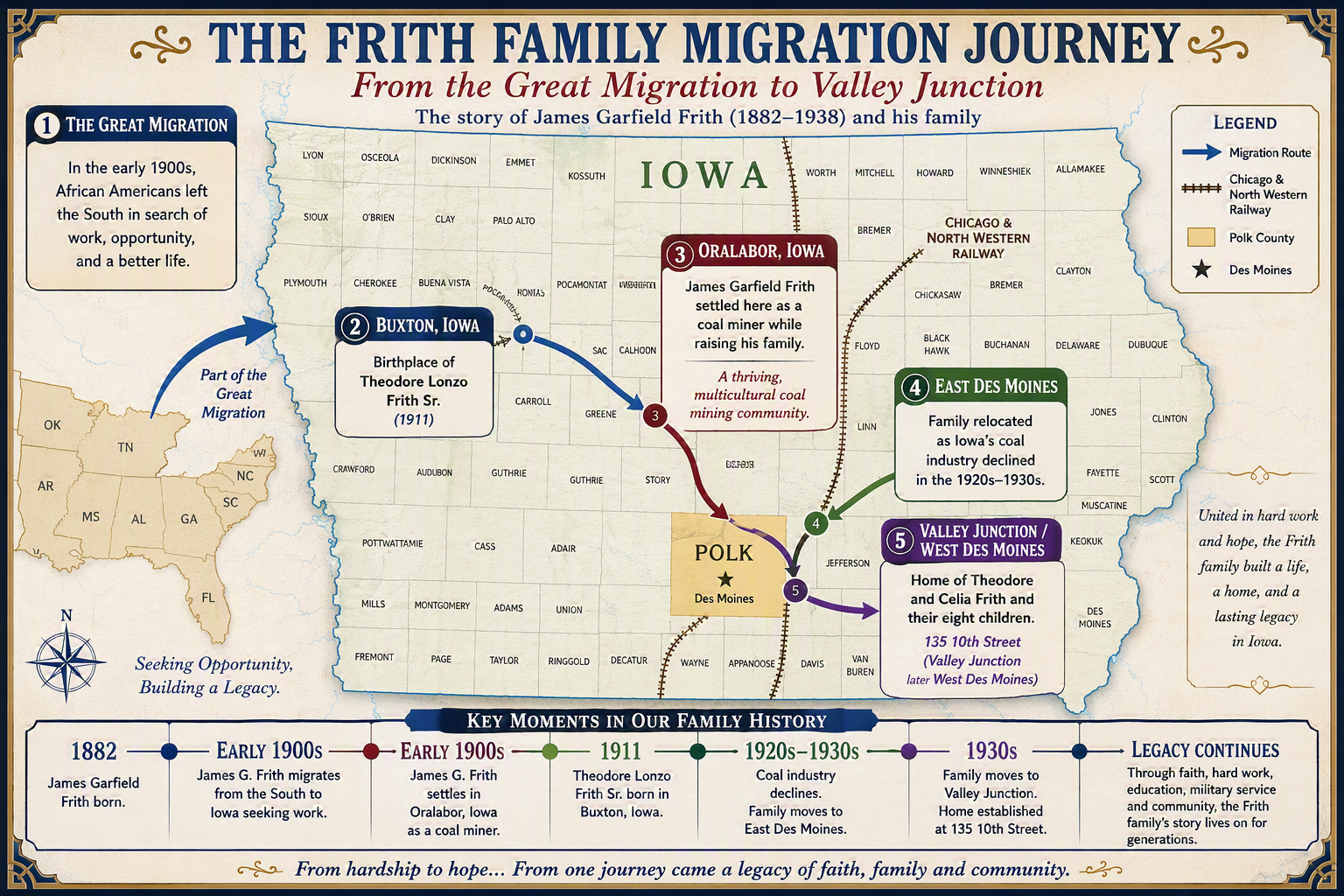
Like millions of African Americans seeking freedom, dignity, and opportunity, James Garfield Frith, known as James G., left the South in the early twentieth century in search of a better life for his growing family. Born in 1882, James understood that opportunity would not come without sacrifice. Determined to provide more for his wife, Mamie E. (Bolden) Frith, and their children, followed the promise of work northward until his journey brought him to the bustling coal-mining community of Oralabor, Iowa.
A Journey of Hope, Hard Work, and Home
At the turn of the century, Oralabor was alive with activity. Located just south of present-day Ankeny, it was one of Iowa’s thriving mining towns and an important stop along the Chicago & North Western Railway. Coal mining had become Iowa’s second-largest industry, drawing workers from every corner of the world. European immigrants worked alongside African Americans who had traveled north from the South, united by a common purpose to earn an honest living and create better futures for their families. James became one of those miners.
From Coal Mining to Legacy
Coal mining demanded strength, endurance, and courage. The work was dirty, dangerous, and physically exhausting, but it offered something priceless: stability. Small miner houses lined the settlement, and despite the hardships underground, families built close-knit neighborhoods above ground where children played together and neighbors looked after one another. It was there that James and Mamie raised their six children: Theodore Lonzo Frith Sr., Beatrice L. (Frith) Walker, Bertha (Frith) Clark, Hazel (Frith) Cunningham, Ora (Frith) Gasca, and Annie (Frith) Robinson.
As Iowa’s coal industry declined during the 1920s and 1930s, James G., recognizing that the mines could no longer support his family, moved them to the east side of Des Moines, seeking new opportunities and another fresh beginning. Although James Garfield Frith passed away in 1938, the foundation he laid would carry the family into a new chapter that would become forever intertwined with the story of Valley Junction.
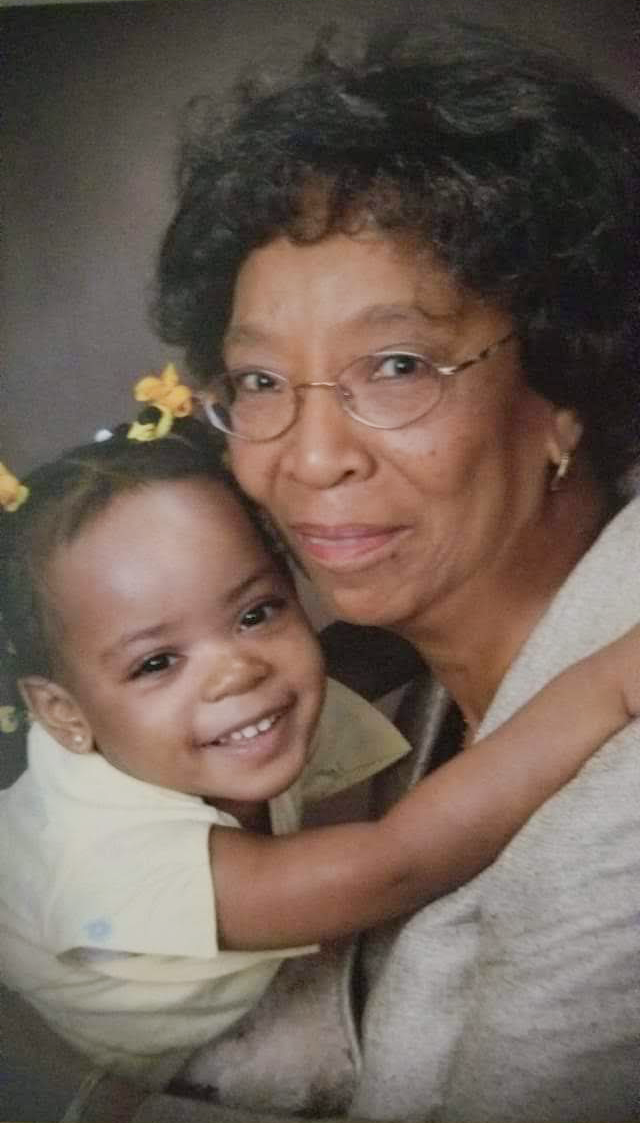
The Firth Family Grows
James G. and Mamie’s eldest son, Theodore Lonzo Frith Sr., was born on June 4, 1911, in Buxton, Iowa, another historic coal-mining community known for its racial diversity and opportunity. Like his father before him, Theodore understood the value of hard work. At just twenty years old, he married Celia Bell O’Bannon, who had been born on June 9, 1917, in Des Moines to William Thomas O’Bannon and Dorothy Beatrice Miller. Together, Theodore and Celia built something far greater than a home—they built a family whose love would span generations.
Their first home stood on Des Moines’ east side, where the East High School stadium now sits. Sometime during the 1930s, they relocated to 135 10th Street in Valley Junction, just before the town officially became part of the City of West Des Moines in December 1937. Theodore found steady employment as a crusher attendant at Marquette Cement Manufacturing Company, located at 275 South 11th Street, and proudly belonged to the United Mine and Gypsum Workers Union Local.
Celia devoted herself to creating a home that welcomed everyone. Her immaculate house became the gathering place for birthdays, holidays, Sunday dinners, and family celebrations. Her kitchen was the heart of the family. No one ever left hungry, and every meal carried the unmistakable ingredients of love, generosity, and hospitality. But it wasn’t only her cooking that people remembered. Family members still recall her comforting hugs, wise advice, patient listening, and the quiet reassurance that everything would somehow work out. She possessed the rare gift of making everyone feel at home. Together Theodore and Celia raised eight children, Gloria Mae Frith Elliott, Nathalene Frith Guinn, Marzella Ann Frith, Bernetta Dean Frith, Theodore “Ted” Frith Jr., James Franklin Frith, Harry Clifford Frith, and Reginald “Reggie” Frith filling their Valley Junction home with laughter, faith, discipline, and unconditional love. In Valley Junction, West DesMoines they built an enduring legacy of community and togetherness.
As the oldest child born June 1933 (2013), Gloria Mae set the example for her younger siblings. A graduate of Valley High School, she married Joseph Henry Elliott in 1953 before moving to Milwaukee, Wisconsin. There she devoted her career to healthcare as a respected medical technician.
Nathalene and Marzella
Nathalene, born March 1935 (1988), also graduated from Valley High School. As a child she contracted scarlet fever, also known as scarlatina. Due to the racial inequalities of the era, she did not receive adequate medical treatment. The illness affected her health throughout her life.
Born in Buxton, Iowa in January 1937 (2001), Marzella Ann Frith, Valley High alum, Once married, Marzella became the consummate caretaker and military wife. As a quintessential military spouse, she was the steadfast anchor of her household, seamlessly managing homes, raising children, and providing a sanctuary of warmth during numerous relocations and her husband’s deployments. She adapted to the unique challenges of military life with quiet strength, resilience, and a generous spirit that touched the lives of countless other military families.
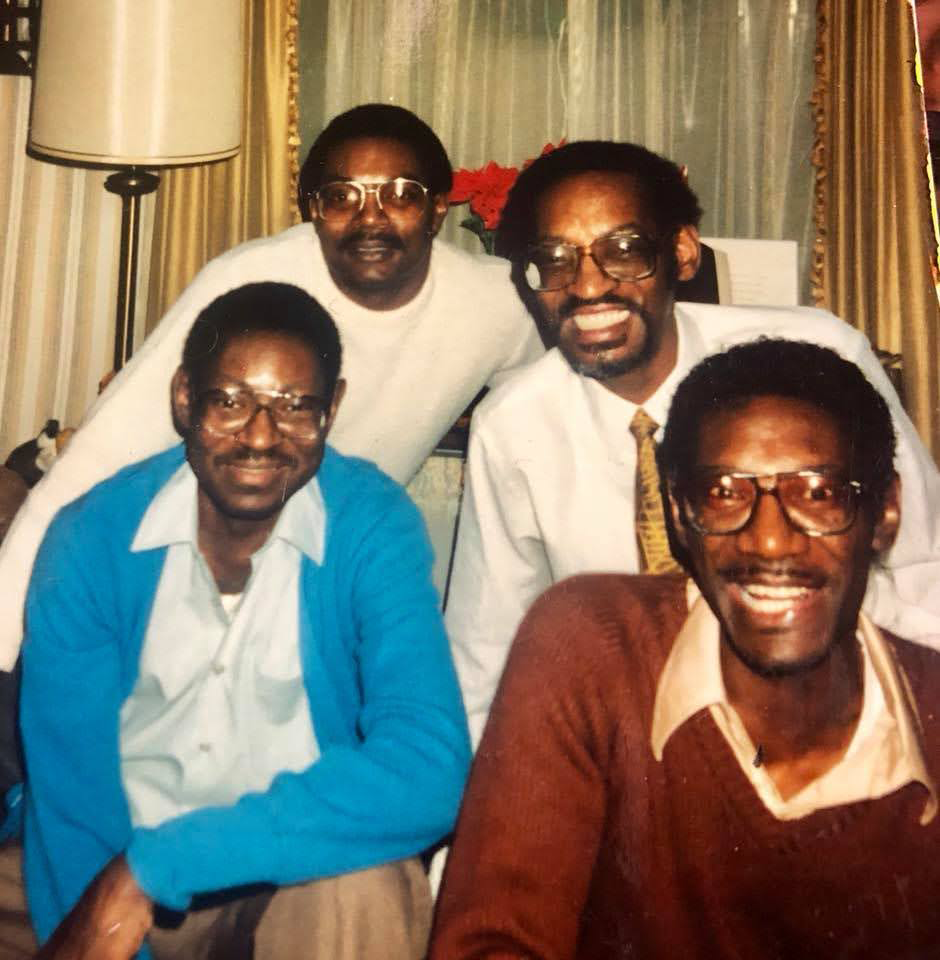
Proud Military Family
Christmas Day in 1939 (2019) the Friths received a precious gift, the birth of Bernetta Dean Frith in Des Moines, Iowa. Bernetta’s love of learning continued beyond Valley High School to Des Moines Area Community College. She built a successful career with Bankers Trust and later made her home in Moline, Illinois, where her faith blossomed through active service at Tabernacle Baptist Church. She received the Lifetime Achievement Award from the Tabernacle Mission Ministry. Whether traveling across Europe, enjoying a cruise, tending her yard, or studying scripture, Bernetta embraced life with gratitude.
The family’s first son, Theodore “Ted” Frith Jr., was born in Des Moines in October 1941(2007), inherited both creativity and courage. A talented artist who studied through correspondence courses after graduating from Valley High School. Ted proudly served in the United States Air Force from 1959 to 1975, including service during the Vietnam War. Ted is known for sketching, fishing, or cheering on his favorite sports teams and serving the Lord at Mt. Hebron Baptist Church.
Woven in the Heart of the Community
James Franklin Frith, born August 1945 (1987) in West DesMoines, possessed an extraordinary curiosity. Long before YouTube tutorials and online manuals, he taught himself electronics simply because he wanted to understand how things worked. Friends and neighbors marveled as broken televisions, radios, and appliances came back to life beneath his careful hands. Although sickle cell disease caused him tremendous pain throughout his life, James refused to let illness define him. His smile remained constant, and his joyful spirit touched everyone fortunate enough to know him.
Born in September 1947 (2015) in West Des Moines, Harry Clifford Frith was known for his impeccable style, infectious laugh, and gift for making everyone feel welcome. After graduating from Valley High School, he attended college in Milwaukee, WI. Harry loved to travel and eventually settled in Houston, Texas, where he retired from Continental Airlines in 2011. Harry loved sports, music, travel, and especially family gatherings.
In August of 1955 (2025) the youngest of the family, Reginald “Reggie” Frith, was born. Reggie remained a lifelong Valley Junction resident. After graduating from Valley High School, he served in the United States Army during the Vietnam era before building a career as an information technology specialist with Sparrow Technology. Whether cheering for the Chicago Cubs or enjoying family cookouts, Reggie treasured time spent with those he loved.
The Frith home on 10th Street was never simply an address. It was where cousins became lifelong friends. Where birthdays stretched late into the evening. Where holidays filled every room with laughter. Where neighbors always knew they were welcome. Backyard cookouts became family reunions. Stories were shared across generations. Children learned respect, hard work, and the importance of caring for one another simply by watching the adults around them. Faith also anchored the family. For decades, the Friths worshipped together at Mt. Hebron Missionary Baptist Church on 9th Street, remaining faithful members even after the congregation relocated to Des Moines. Church was more than Sunday worship—it was family, fellowship, and community.
The Frith family’s story mirrors the story of Valley Junction itself. During the 1930s and beyond, the neighborhood became home to African American, Mexican American, Italian, Serbian, Polish, and many other immigrant families who worked together in the railroads, cement plants, mines, and local businesses. Though each family arrived with different traditions and histories, they shared common dreams of providing better lives for their children. The Frith family became an important thread in that multicultural tapestry.
Generation after generation attended Valley schools, worked in local industries, served their country, strengthened churches, raised families, and invested in their community. Their lives reflected the values their grandparents carried north during the Great Migration of faith, perseverance, education, service, and above all, family.
More than a century after James Garfield Frith first journeyed north searching for opportunity, his legacy lives on—not simply in family records or photographs, but in every life his descendants have touched. The Frith family’s story reminds us that the Great Migration was never only about moving from one place to another. It was about black families building safe homes, strengthening communities, and creating a future where children and grandchildren could dream even bigger than the generations before them. And in Valley Junction, the Frith family did exactly that. Their story remains woven into the heart of the community—a legacy of resilience, hospitality, faith, and love that continues to inspire new generations to call this place home. Today, those stories continue to be honored through the Taste of the Junction, the Eddie Davis Community Center, and the descendants who proudly carry the Frith name.