Jazzin in the Junction 2026

Jazzin in the Junction 2026

Jazzin in the Junction 2026

Spoken Word, Shared Roots and Live Jazz

Jazzin in theJunction – Fri., September 4

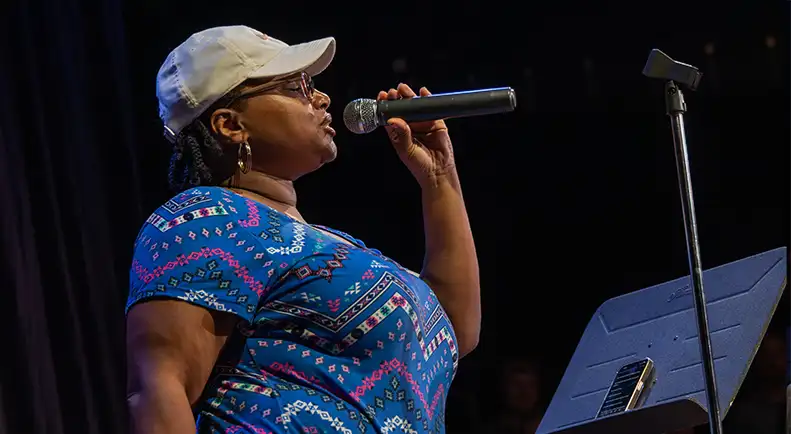
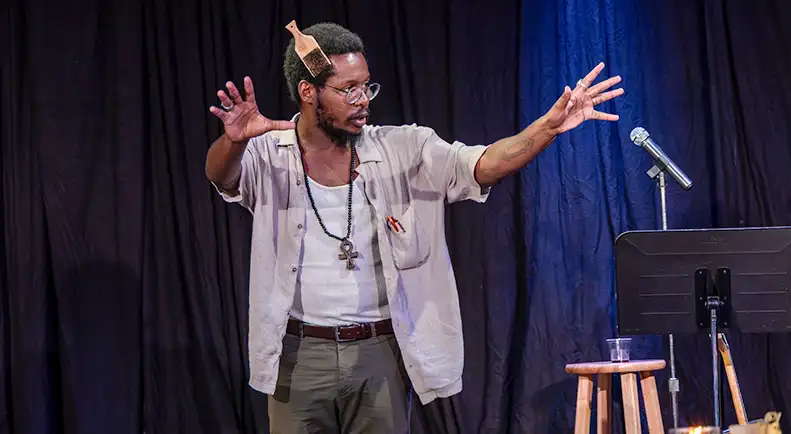
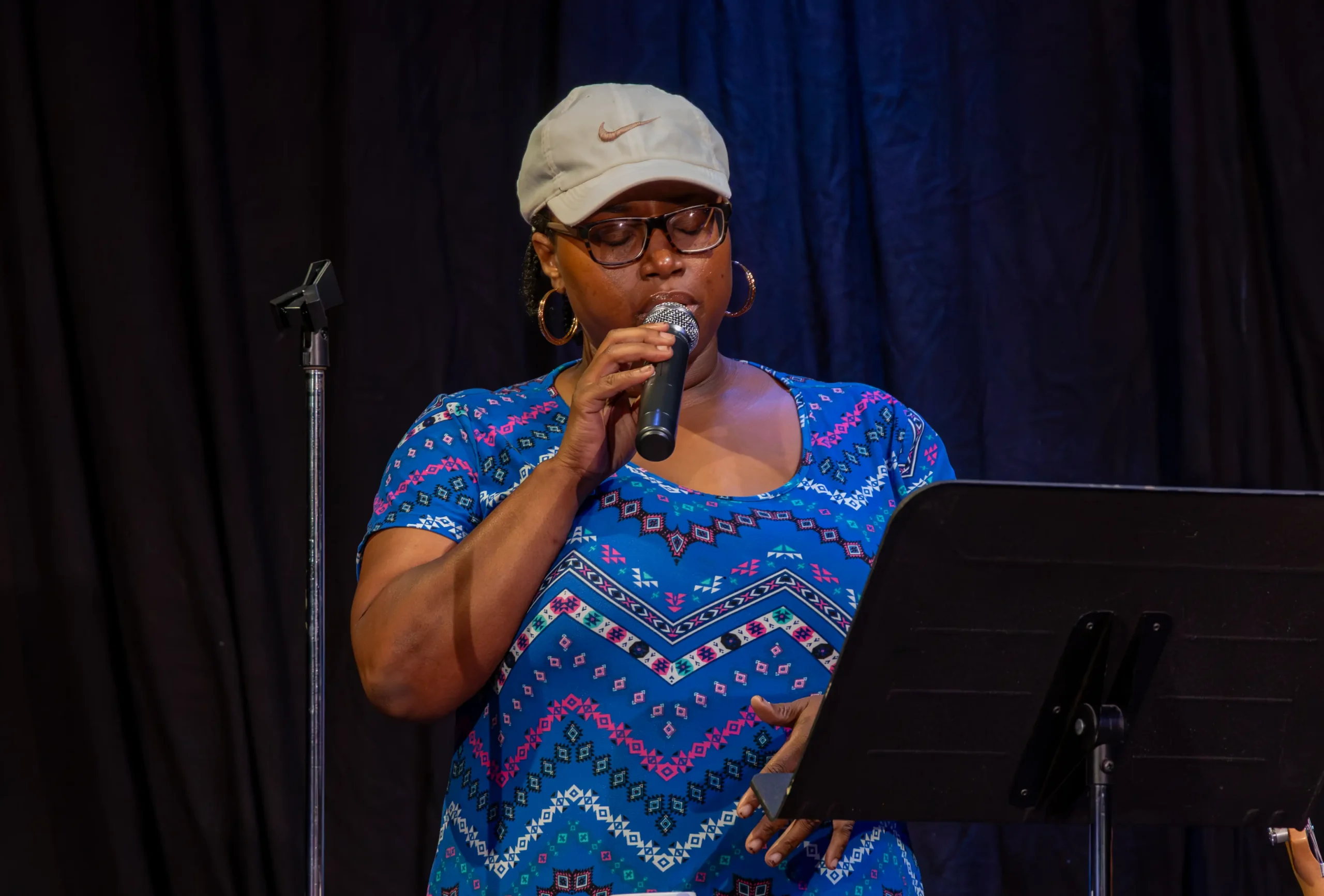
The Spoken Word has become a cherished tradition in our celebration and a powerful way to connect as a community. By definition, Spoken Word is an oral poetic performance art that blends the beauty of language with the presence and style of the performer. It carries an ancient oral tradition into the present day, bringing history, culture, and personal experiences to life. Come by for a casual night inspired by the voices of talented storytellers who will share their art.

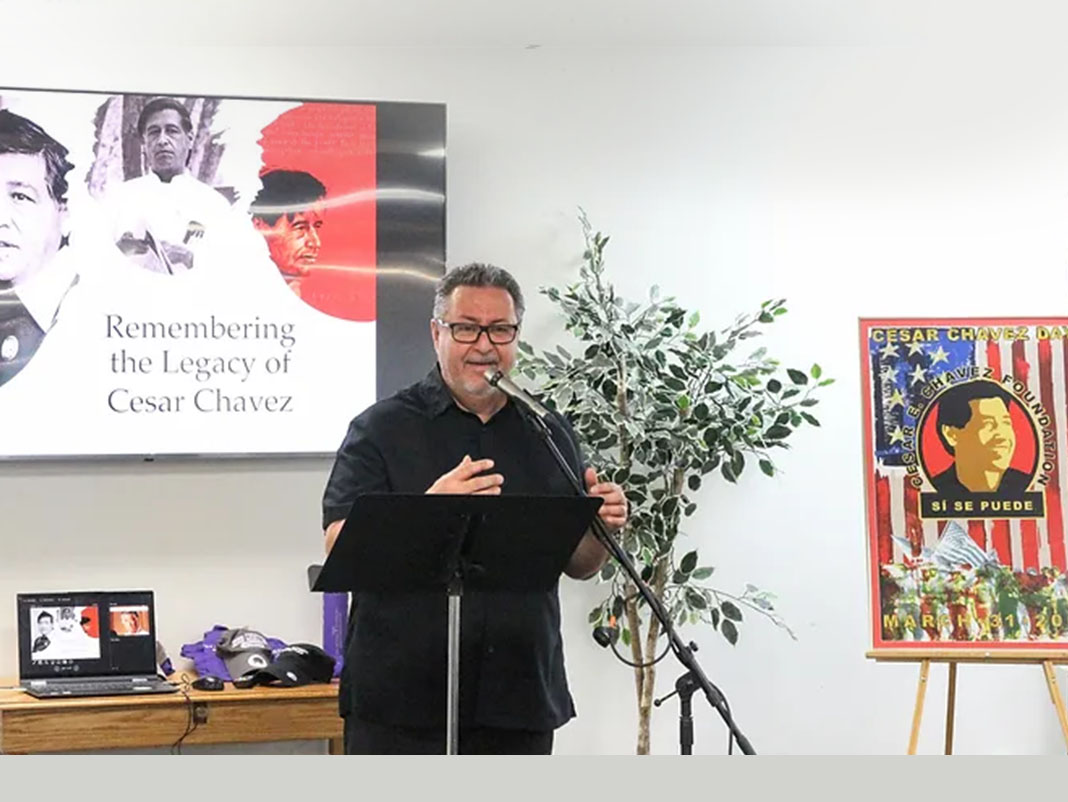
In past years, Jazzin in the Junction has featured powerful performances that bring Valley Junction’s voices to life through their emotional performances. Notable past participants include Dr. Eric Johnson, Alonda Long, and Cesar Chavez.

Jazzin in the Junction

Friday, September 4th

Starts at 6:00 pm

Raccoon River Park Nature Lodge

2500 Grand Avenue

West Des Moines, IA 50265

Events are FREE and

Open to the Public. All are welcome.

On Friday, September 4th, we celebrate the Spoken Word and Live Jazz. For those of you who have never experienced our Spoken Word event, prepare to be amazed. It’s a casual evening of local poets, music and songs. Those in attendance share stories of ancestors and special historical happenings in Valley Junction. Some are first-hand memories, while others are stories handed down for generations.

Tonelli Family

Tonelli Family

The Tonelli Family Story

On October 12, 1903, our Great-Grandfather, Emilio Tonelli, a farmer from Modena, Italy (northern Italy), arrived via  Ellis Island at 25 years old. He came to meet his brother Silvestro and go to work at the Cherry Coal Mine in Cherry, Illinois. Just a few miles north of LaSalle, Ill.

They lived in Ladd, Illinois, about 3 miles away from the mine. The workers were able to obtain housing, consisting of small row houses owned by the St. Paul mine company.   After the Cherry Mine disaster, is when they moved to Des Moines, IA. and went to work at the cement plant. just off of Park Avenue.  They lived in the plant’s housing. Then they bought the house on Winona Avenue, where they were still when I was a kid.  Until the 1993 flood pretty much took that house out.

Cherry Coal Mine

Went to work at the Cherry Coal Mine. Unfortunately, he was sent to the bottom of the mine due to the stature of Italians, being shorter and smaller than the Americans and others.  I guess it was easier for them to fit in the bottom of the mine. It was very dirty work in the mine, and most people from the States didn’t care much for them being Italian, nor did they care much for anyone not speaking English.  So I don’t think their lifestyle wasn’t really good.  

Theresa, Lena, Mary and Joe

Children? Yes, one, Stella at 4 months old when she came with her Mother Giovanna (Guidotti) Tonelli, on September 17th, 1904. at the age of 27.  Then came more children, Jennie, my Grandfather Charlie, and Amelia.

On November 13, 1909, at the age of 30, Emilio was killed in the Cherry Mine Disaster.  Now that was really bad. If you have never heard about it I could talk for a long time about it.  Or there are a few books about it.  1).”Cherry Hills Mining Disaster” of 1909.” It is told by a survivor.  2) “Trapped”, and another I forgot the name.  Very interesting.  This disaster is what started Workers’ Compensation Law.

Once Giovanni met Pietro Lancelotti, they married and came to the States, they had 4 children. Theresa, Lena, Mary and Joe Lancelotti.

Fond Memories

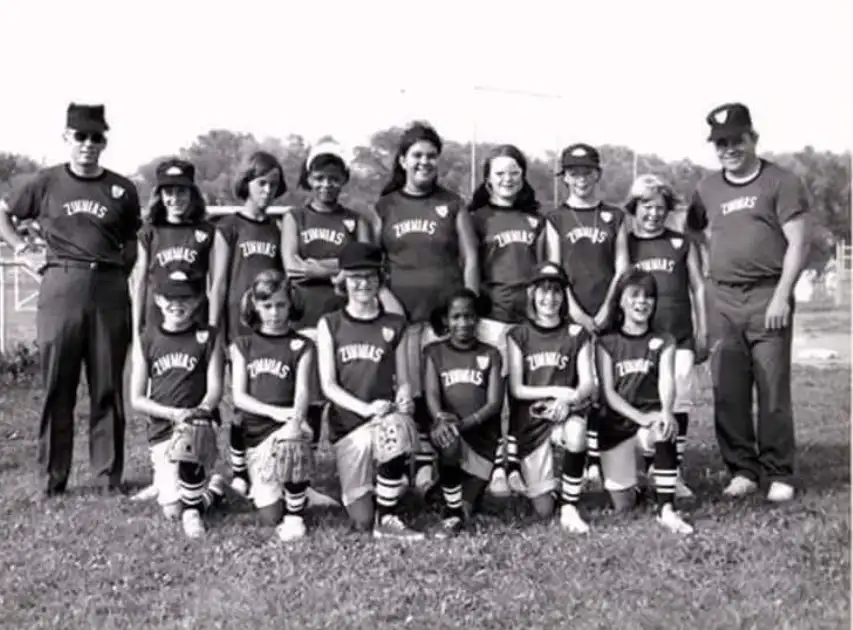
My Dad, George (Maney) had a great reputation his entire life.  He was a fair man to do business with.  He learned autobody repair through Grandpa Charlie and had his own shop.  He was very active in WDM Little Girls Softball in Holiday Park.  He coached me and my 2 older sisters for as long as the league’s age limit (high school).  He umpired endless hours and also maintained the fields, and my Mom ran the concession stand for a few years and kept score at our games.  He went to work for the WDM Parks and Recreation Dept, after closing up his body shop until he and my Mom retired.

Dad knew everybody in Valley Junction, and we couldn’t go anywhere and be back on time cause he got stopped by folks just to talk for a few minutes. He was friends with all.

Grandma (Gladys) Tonelli had it the hardest, I’ll bet. She worked multiple jobs to support her 10 children. Colleen, my Dad George (Maney), Donald (T), Eldee (Tuner), Angelo, Claudette, Jenny (Sena), Annie, Suzie, and Carmela.  Since her husband, my Grandpa Charlie, left and went into the service for WWII, they later divorced.   So he wasn’t around.

I didn’t realize that my folks had struggles as I was growing up.  We always had what we needed.  My Mom was a fantastic seamstress and made a lot of our clothes.  And with our large family we had, there was always something to do with the cousins.

We bonded with everybody, literally everyone.   Grandma’s house was always open to those in need of a meal, a place to stay, and friends, of course.

Our family values were Family first, love and take care of each other, and be good to all especially our elders.

All the interesting stories of their childhood and adolescence. Sometimes they pop up out of nowhere.  Dad would tell stories of all the uncles, Donald (T),  Eldee (Tuner),  rolling cars with no motor down Hanawalt Hill to see how far they could get around the curve.  Throwing an old wallet tied to a fishing line out in the street and waiting till someone would try and pick it up, then reeling the line in fast.

Kicking the can, sledding at Waveland Golf Course.  My Aunts Annie, Suzie, Coleen, and Jenny (Sena) are going to see a show at the Lyric theater, then hiding out till the next show starts.  They  tried to sneak out the side door, only to be caught by one of my Dads friends.  and the Melody record shop, and beer joints up town.    

The stories never stopped.

Submitted by Vaniese(Tonelli) Wherter 

George (Maney) Daughter

August 2026

Rodriguez Family

Rodriguez Family

The Rodriguez Family

Adrian Jose Rodriguez, came to the United States from Guanajuato, Mexico, in 1909, when he was just 14 years old. Like many others, he followed the harvest, picking fruits and vegetables as he worked his way north. He was working in Missouri when he heard that Rock Island was hiring in Iowa. He was just 15 then, so they hired him at first to deliver water to the other workers. But we were the first family from Mexico to settle in Valley Junction. Others came and went, but my Dad, who went by Joe, stayed.

Like most of the railroad workers, Joe lived for a while in a boxcar and eventually moved to a boarding house (the Green House) run by Dona Ciana Munoz Hernandez, who had come to Valley Junction from El Paso. She sent all her children to school there, where they became fluent in English as well as Spanish. Her daughters Lillian and Martha attended school, too, which was unusual at the time.

Lillian got married and moved to St. Louis, but when her husband died, she moved back to Valley Junction with her three children, Frank, Josephine and Jeannette Montalvo, and worked for a time at the Rock Island Railroad.

Joe and Lillian met at the boarding house and fell in love. He was quite a catch even though he never went to school. He was a hard worker and always paid his bills promptly. They married and had seven more children: Jesse, Raymond, Dolores, Robert, Velma, Henry and Mary Ellen.

Raymond “Ray” Rodriguez was born to Joseph and Lilian Rodriguez on September 2, 1922 in Valley Junction, Iowa. Ray had four brothers and five sisters, and all of his brothers served in the military.

In 1940, Ray was a student at Valley High School when he made the decision to leave school and join the Iowa National Guard. On February 10, 1941, the Guard was activated into the Army. Ray completed his basic training at Camp Claiborne in Louisiana. He was part of Company K, 133rd Infantry, 34th Division.

He later volunteered for the 1st Infantry Division, where the Darby Rangers were first formed before expanding into six battalions. Ray served in the 4th Battalion, contributing to the Rangers’ legendary status as an elite unit of highly skilled light fighters.


Ray participated in the invasion of North Africa and continued on to the invasion of Sicily, where he was wounded. Due to his injuries, he received the Purple Heart. Sergeant Ray Rodriguez was honorably discharged on June 1, 1944.

After returning to Valley Junction, he married Margaret Bejerano in 1948. Together, they had six boys: Michael, Bobby, Raymond, Rahelio, William, and Gary. One of his sons had the honor of being named after Brigadier General William Darby. Two of Ray’s sons, Bobby and Michael, also served in the military.

A dedicated Husband and Father, Ray worked for Solar Aircraft until it closed, then moved on to work for Des Moines Concrete. After several years of service, he retired from Eagle Iron Works.

He was a proud Veteran in the Valley Junction community and a member of VFW Post 8879 Emerick Williams Post.

Ray and Margaret are blessed with eight grandchildren and six great-grandchildren

Ray passed away on January 17, 2001 and his beautiful wife Margaret passed away on June 12, 2022


Submitted by 

William Rodriquez

Date May 14, 2026


McNerney Family Story

McNerney Family Story

The McNerney Family

My father, Dr. Joseph Richard McNerney, was born and raised in Des Moines, Iowa. He moved to West Des Moines in May 1941, taking up residence at 312 4th Street. He opened his medical practice at 324 5th Street before relocating it to 225 5th Street. He was married to Mary Ellen, who passed away in December 1948, leaving him with two young children, Richard and Mary.

My mother, Ruth Malinda Atwell, moved to Des Moines in 1948 to work as a nurse at Still College Hospital. She met Dr. McNerney, and they married in August 1949, moving into a newly constructed home at 521 16th Street in West Des Moines. Together, they had nine more children: Joseph, David, Robert, Elizabeth, Daniel, Sarah, Bridget, Edwin, and Angela. Despite their demanding schedules, my parents always prioritized family, holding daily family dinners, grand holiday celebrations, and annual summer road trip adventures filled with lively traditions.

Deeply devoted to public service, my parents were active members of Sacred Heart Catholic Church. My father was involved in the Lions Club, Knights of Columbus, and served as President of the West Des Moines Chamber of Commerce. Professionally, he was Chief of Medicine at Des Moines General Hospital, brought nuclear medicine to Iowa, and facilitated the city’s first ICU. He served as Chairman of the Board at what is now Des Moines University for nearly 20 years, teaching as a beloved professor and lecturing globally in places like the USSR, China, India, and Israel.

My mother was equally impactful in community leadership. While raising 11 children, she served as President of the West Des Moines Women’s Club, United Way of Des Moines, and the West Des Moines Opportunity Committee (which evolved into the West Des Moines Opportunity Center). She was also active in the League of Women Voters and mentored medical student spouses. Later, she managed my father’s medical practice, operated an antique shop on 5th Street, and joined the Valley Junction Residential Association. In recognition of her dedicated support, the Eddie Davis Community Center honored her by naming the Ruth McNerney Conference Room in her dedication. 

Quiet acts of generosity defined their lives. When I was young, people down on their luck would quietly show up to do yard or home maintenance, share lunch with our family, and receive a day or two of paid work. My father also hosted Iowa Governor Herschel Loveless for dinner, exciting us kids with the state trooper car parked in our driveway.

My dad bought two houses on Maple St. he said the abstract said that the houses couldn’t be rented or sold to blacks (actually a common racial slur in those days) or shanty Irish. My dad got a big kick out of saying “Yeah I rent it to a black guy and I’m Irish and I own it!”

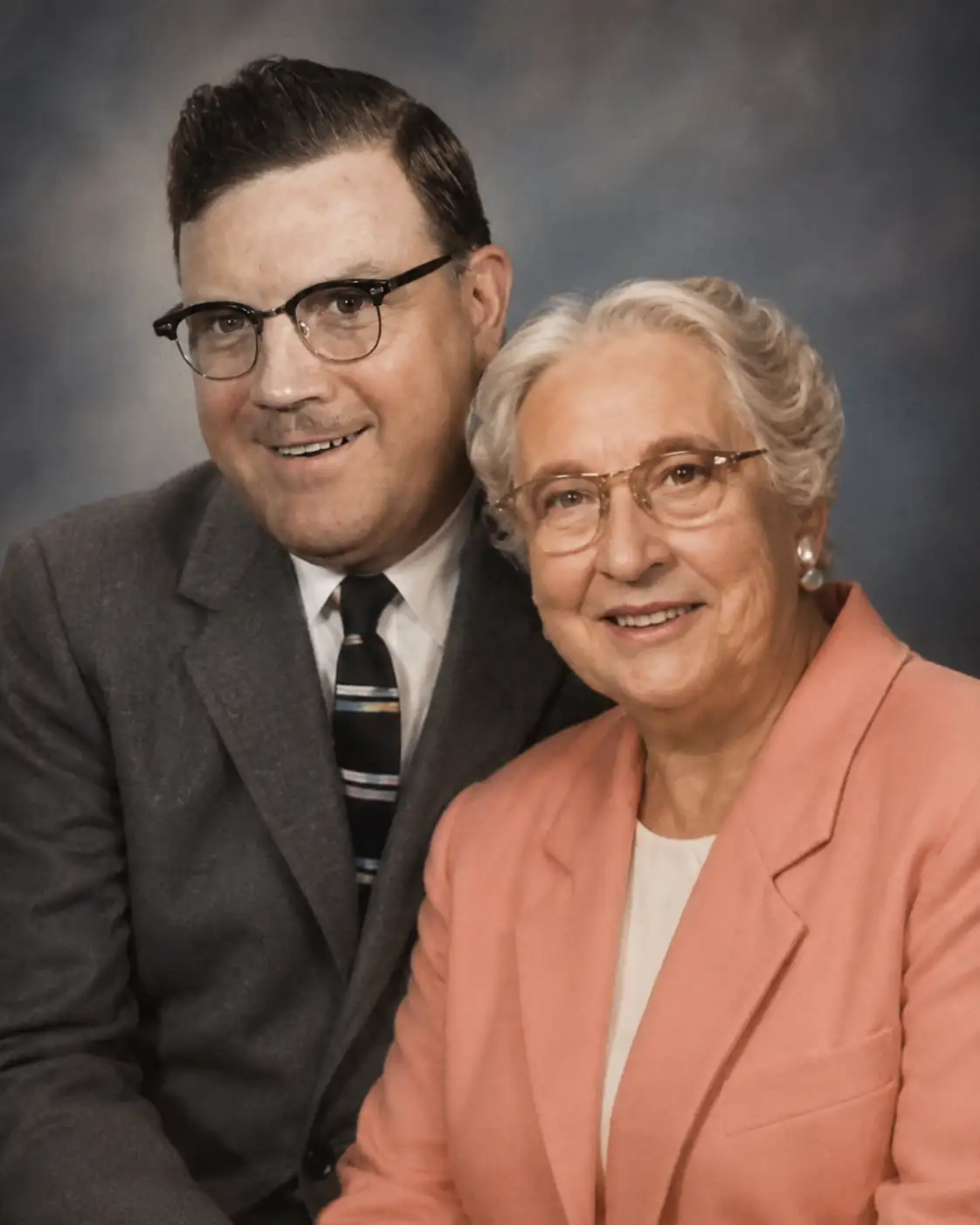
Dr. J.R. McNerney (1911–1998) and Ruth McNerney (1924–2025) built a vibrant family and community legacy. Nine siblings are alive today, with two residing in West Des Moines, one in Windsor Heights, and others spread across the globe. Preserving our heritage through shared family memories and local archives from the West Des Moines Express remains a true joy.

Garrett Family

Garrett Family

The Garrett Family Story

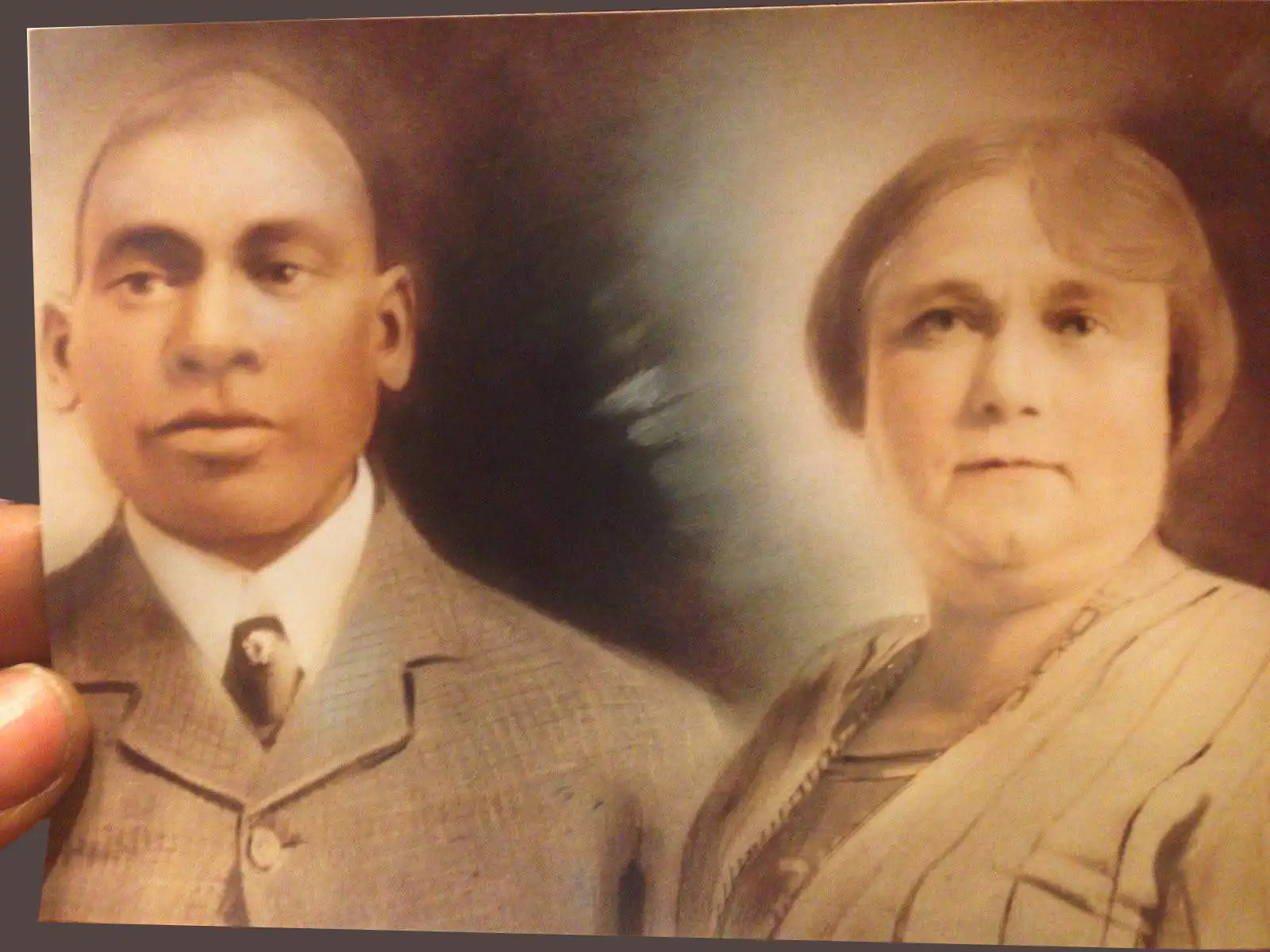
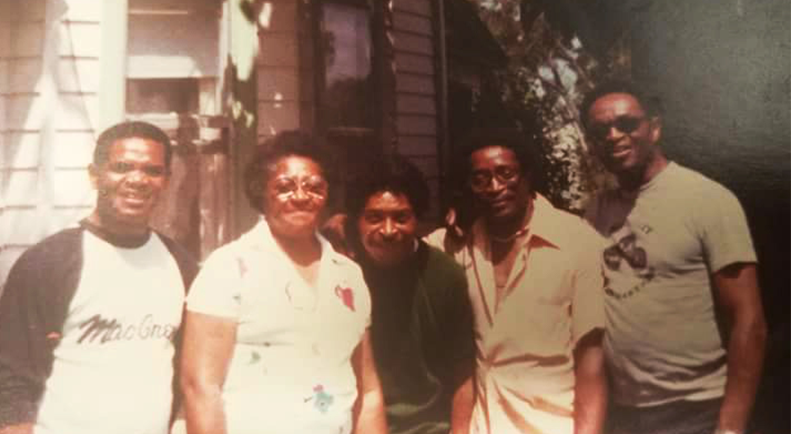
It began with Harold Trumbo and Hertense Trumbo Peterson, our grandfather and grandmother who had four boys George, Dean, Bobby, Ralph, stepbrother Howard Trumbo and one daughter, Dorothy.

When Dorothy first moved to West Des Moines it was the year of 1936. She lived in the house with Grandma Daisy Garrett, which was on 927 Maple St and then she moved with Grandma Hannah Anderson, and husband Joseph Anderson.  Hannah Anderson and Joseph lived at 200 8th St. Grandma Daisy Garrett also lived at that address but the home was owned by Grandma Hannah.

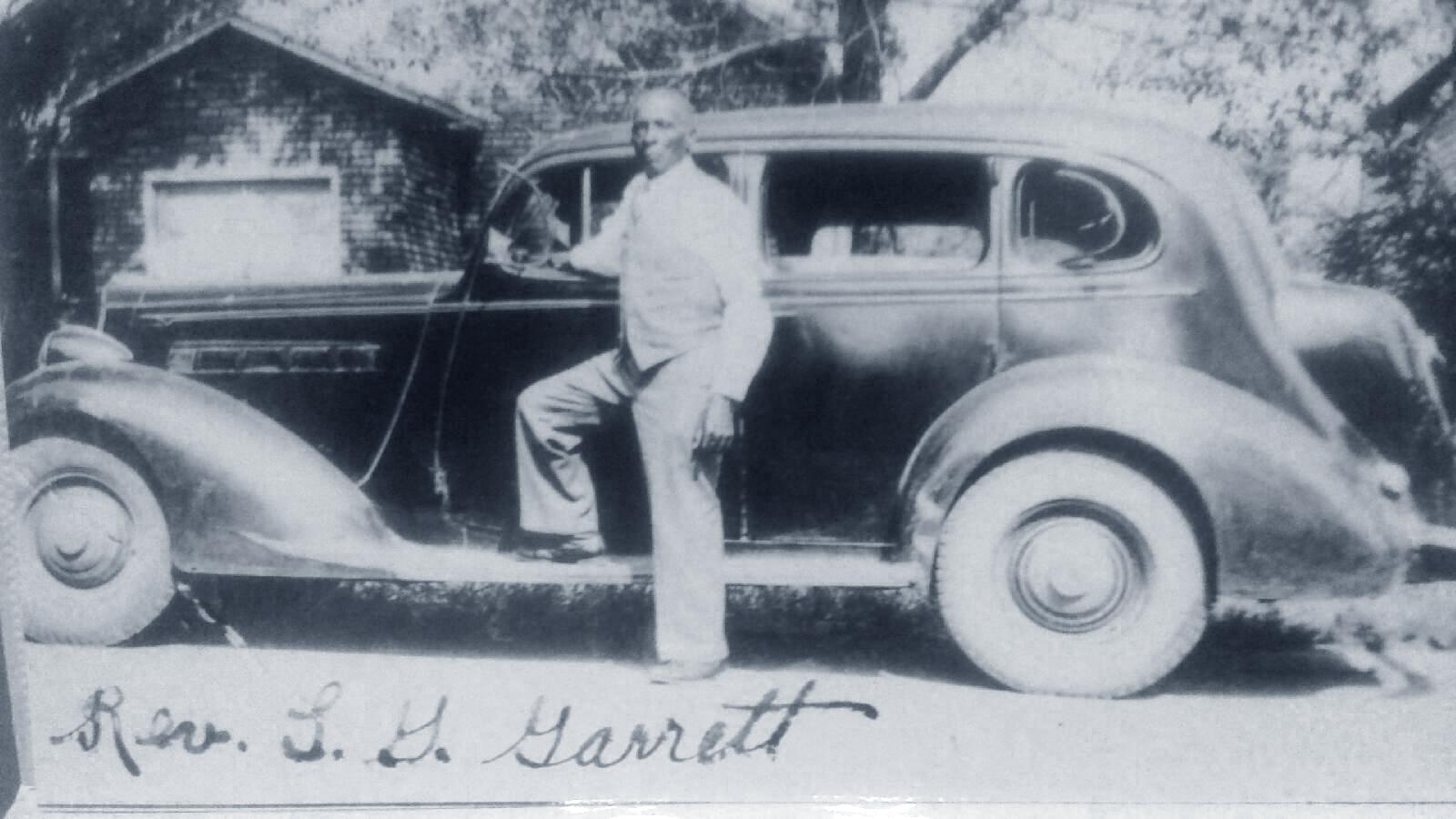
Our dad, Lee Garrett and his brothers, Albert, Joseph and Eddie came from Buxton Iowa.  Mr. Johnson had the first and only black barbershop. Mr. Johnson was getting ready to retire when our dad was in the process of buying the shop.

A Strong Family Foundation

Our dad, Lee Garrett and his brothers, Albert, Joseph and Eddie came from Buxton Iowa.  Mr. Johnson had the first and only black barbershop. Mr. Johnson was getting ready to retire when our dad was in the process of buying the shop.

As an adult, Dorothy was involved in the West Des Moines Human Services, serving as chairman and board member. She worked and volunteered in the Phenix Headstart program for 26 years. Dorothy also started the West Des Moines community education program and successfully worked at raising literacy in the community.

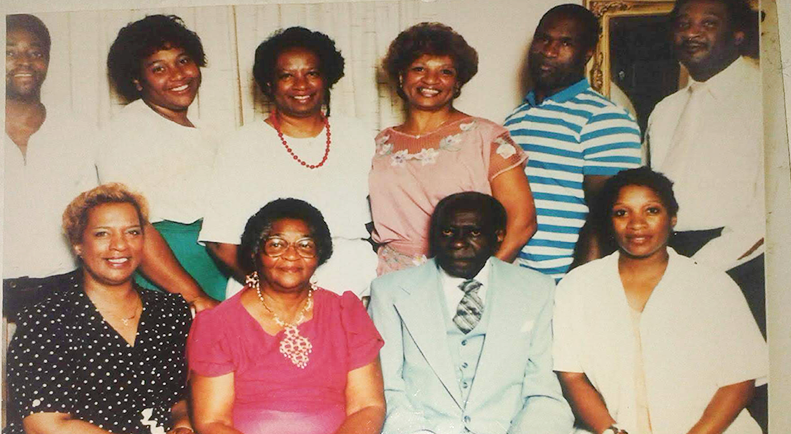
Dorothy and Lee Garrett had six children, Barbara, Bernice, Robert, Gilda, Dennis and Denise. 

After Lee Garrett passed away, Dorothy married Jim Pryor, and had two children, Marsha and James.

Our family took pride in building a strong family foundation. Each person in our family has in some way contributed to our story. Knowing our family history gives us a deeper appreciation of our family values and where we come from.

Story submitted by Gilda Garrett